This article contains affiliate links. If you buy through them, we may earn a commission at no extra cost to you. How this works.
Short, dark days do not have to mean an empty kitchen window. Plenty of greens and herbs grow happily indoors through winter, and a few are ready to eat in under two weeks. Here are twelve easy options, what they need, and a simple setup that works even in a small flat.
The one thing that matters most: light
Indoor plants in winter rarely fail because of the seeds. They fail because there is not enough light. A south-facing window (north-facing if you live in the Southern Hemisphere) is the best spot you have, but from November to February even that can be too weak for leafy crops.
- No light needed: sprouts.
- A bright window is enough: microgreens, pea shoots, spring onions, chives, mint.
- Grow light strongly recommended: lettuce, basil, spinach, tomatoes, chillies.
A simple LED grow light running 12 to 14 hours a day on a timer makes a bigger difference than any fertiliser.
12 easy things to grow indoors in winter
1. Microgreens
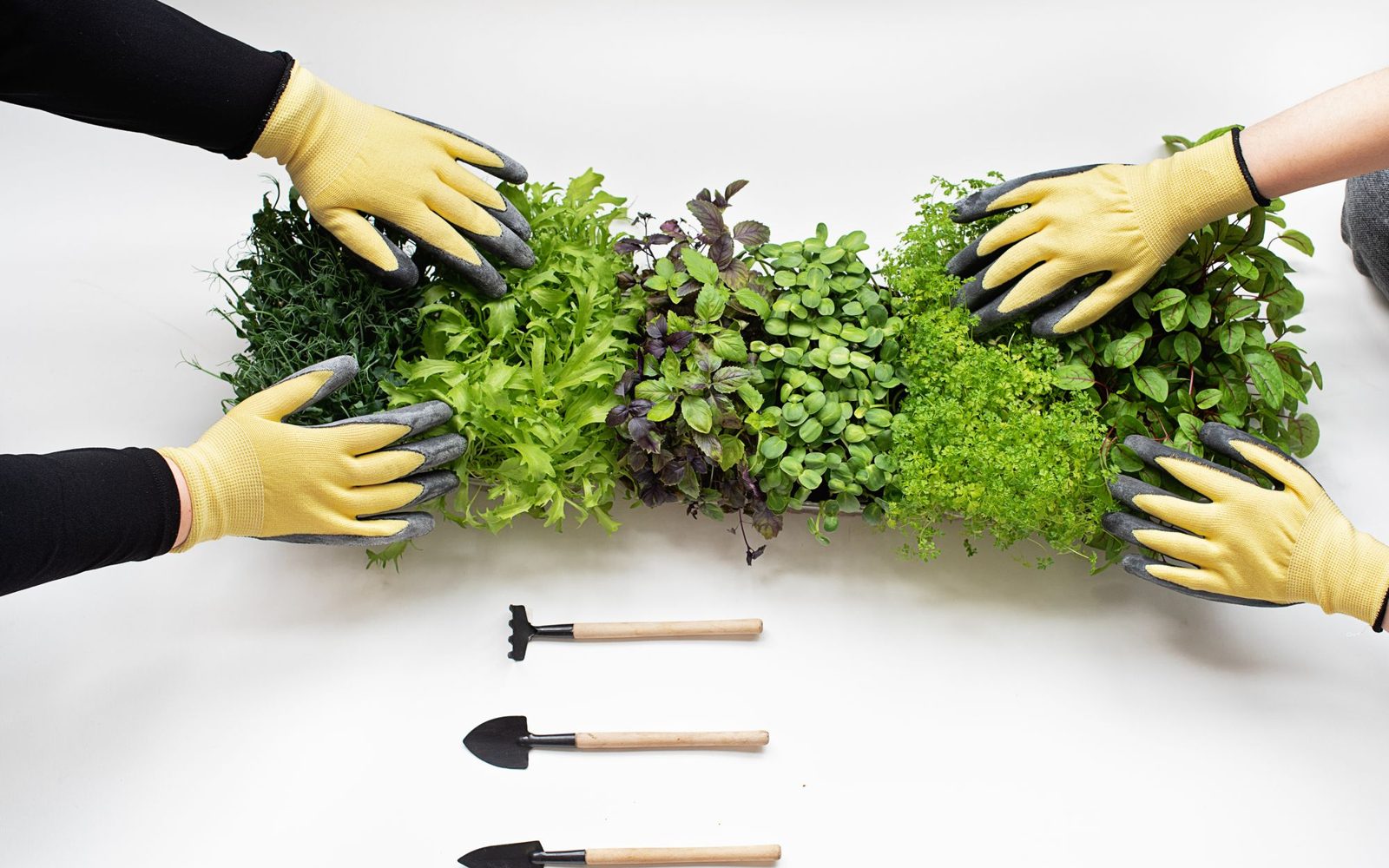
Ready in 7 to 14 days. Sow pea, radish, sunflower or broccoli seeds thickly on a shallow tray and snip them with scissors. The fastest win in winter gardening.
2. Sprouts
No soil and no light needed. Mung beans, lentils or alfalfa in a jar, rinsed twice a day, are ready in a few days.
3. Pea shoots
Sweet, crunchy and they regrow after the first cut. Ideal on a cool windowsill.
4. Loose-leaf lettuce
Pick the outer leaves and let the plant keep growing. Needs good light, so a grow light helps from November to February.
5. Spinach and Asian greens
Pak choi, mizuna and spinach like cool rooms and are happy in a deep pot.
6. Spring onions
Put the white root ends from shop-bought onions in a glass of water. Fresh green tops in about a week.
7. Basil
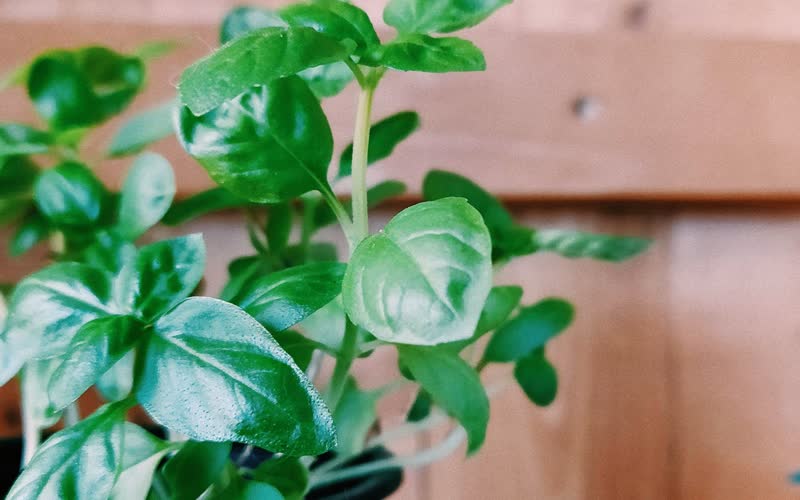
Loves warmth and light. Keep it away from cold glass at night and pinch off flower buds.
8. Parsley
Slow to start but steady all winter. A deep pot suits its long roots.
9. Chives
One of the easiest herbs indoors. Cut down to a few centimetres and it grows back.
10. Mint
Grows almost anywhere, which is why it belongs in its own pot.
11. Dwarf cherry tomatoes
Possible indoors, but only with a strong grow light and patience. A fun project rather than a quick harvest.
12. Chilli peppers
Compact varieties fruit well indoors and look good on a sunny sill.
A simple indoor setup
Option 1: The windowsill kit
Shallow trays for microgreens, a few 15 cm pots with drainage holes, a bag of peat-free potting mix, and a spray bottle. Cheap, flexible and good for learning.
Option 2: A smart indoor garden
If you would rather skip soil, watering schedules and guesswork, a self-watering smart garden combines a built-in grow light, a water tank and pre-seeded pods. Click & Grow is one of the best-known: you drop in the pods, fill the tank every few weeks, and the light runs on its own timer. It costs more than pots, but it works in a dark corner and through the darkest months.
See Click & Grow smart gardens
Indoor winter care tips
- Water less than in summer. Check the top 2 to 3 cm of soil and only water when it is dry. Soggy soil and low light are the classic winter combination for root rot.
- Watch the window at night. Glass gets cold. Move tender plants such as basil a little back from the window after dark.
- Mind the radiator. Hot, dry air from heating dries leaves fast. Grouping pots together raises humidity a little.
- Turn pots every few days so plants do not lean towards the light.
- Harvest little and often. Regular cutting keeps herbs and lettuce bushy and productive.
- Sow in small batches every week or two, so you always have something ready.
Want to go further?
Our guide to a windowsill herb garden covers more herbs, from chamomile to lemon balm, and how to dry them for tea.
Frequently asked questions
What is the easiest thing to grow indoors in winter?
Sprouts and microgreens. Sprouts need no soil or light and are ready in days; microgreens grow on a bright windowsill and are ready in one to two weeks.
Do I need a grow light for an indoor winter garden?
For sprouts, microgreens, chives and spring onions, a bright window is usually enough. For lettuce, basil, tomatoes and chillies, a grow light makes a big difference in winter.
How long should a grow light be on?
Around 12 to 14 hours a day works for most leafy greens and herbs. A simple plug-in timer makes it automatic.
Are smart gardens like Click & Grow worth it?
They are worth it if you want herbs or greens with almost no effort, or if you have little natural light. If you enjoy hands-on gardening on a budget, pots and a grow light are cheaper.